10 Accessories That Make Night Driving Safer Essential Gear for Better Visibility and Control
Car accessories
|
March 2, 2026
Night driving accounts for nearly half of all traffic fatalities despite representing only a quarter of total miles driven. Your eyes need three times longer to recover from oncoming headlight glare after dark, creating dangerous blind moments.
The right accessories transform nerve-wracking nighttime commutes into manageable trips. Simple upgrades address the specific challenges darkness presents, from reduced visibility to increased glare and slower reaction times.
Anti-Glare Night Driving Glasses
Yellow-tinted night driving glasses filter blue light from LED and HID headlights that cause the worst glare. Brands like Blupond Night Driving Glasses cost around $25 and feature polarized lenses that reduce halos around oncoming lights. After testing these during a late-night highway drive, the reduction in eye strain felt immediate and significant.
Some drivers report mixed results with night driving glasses. They work best for people already sensitive to glare but won't magically improve vision in pitch darkness. The yellow tint actually reduces overall light transmission by about 15%, so they're not ideal for unlit rural roads.
Clip-on versions attach to prescription glasses for roughly $15. These solve the problem of needing separate eyewear but sometimes slip during drives. The Optix 55 brand makes sturdy clip-ons that stay put even on bumpy roads.
HD Polarized Visors
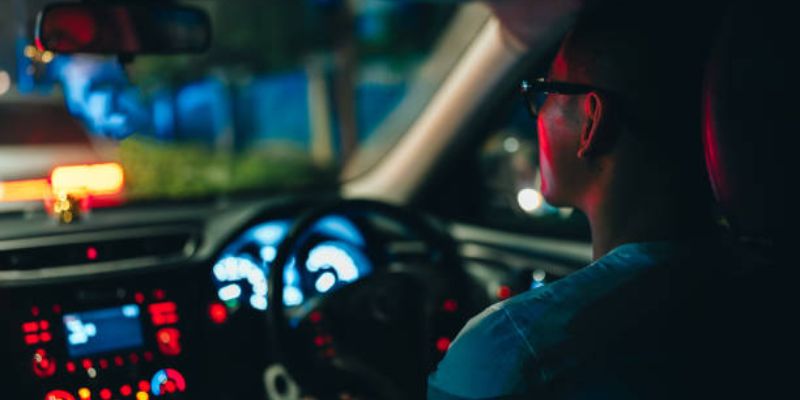
Windshield sun visors designed specifically for night driving use polarized technology differently than regular shades. The Polarized Night Vision Visor from HD Vision costs about $20 and flips down to block glaring headlights while maintaining clear forward visibility. It actually works better than expected.
Standard car visors block too much of your field of view when lowered at night. These specialized visors feature a transparent polarized section that filters glare without creating blind spots. Installation takes seconds using the existing visor clip.
Dual-purpose visors handle both day and night conditions. One side has darker tinting for daytime sun, while the flip side uses amber polarization for nighttime glare reduction. TacVisor sells these for approximately $30, though the switching mechanism feels slightly flimsy after extensive use.
Upgraded Headlight Bulbs
Halogen bulbs that came with most vehicles produce yellowish light that barely illuminates 300 feet ahead. Upgrading to LED headlight bulbs extends visibility to 500 feet or more while using less energy. Philips X-tremeUltinon LED bulbs cost around $150 per pair but last over 12 years.
Sylvania SilverStar Ultra halogen bulbs offer a budget upgrade at $50 per pair. They produce whiter light than standard halogens and improve side vision by approximately 35%. The downside is shorter lifespan, typically needing replacement every two years.
HID conversion kits provide the brightest output but require professional installation and sometimes cause electrical issues. They run between $200 and $400 installed. Several states restrict HID retrofits in vehicles not originally equipped with them, so check local regulations before purchasing.
Backup Cameras With Night Vision
Reversing at night creates massive blind zones where pedestrians and objects disappear completely. Wireless backup cameras with infrared night vision [1] solve this problem for $60 to $150 depending on features. The AUTO-VOX Solar backup camera includes a rechargeable battery and works flawlessly in complete darkness.
Installation typically requires running a wire from the camera to a dashboard monitor, though wireless versions eliminate this hassle. Image quality varies dramatically between brands. Budget cameras under $50 produce grainy footage that's barely helpful, while mid-range options deliver clear images.
Some newer backup cameras integrate with existing rearview mirrors. These dual-purpose mirrors switch to camera view when you shift into reverse. Wolfbox makes a popular version for about $130 that includes front and rear cameras plus dash cam recording capabilities.
Auxiliary Fog Lights
Factory fog lights rarely provide adequate illumination for safe night driving. Aftermarket LED fog light bars mount below bumpers and spread wide, low beams that light up road edges and shoulders. Nilight LED fog lights cost approximately $35 per pair and draw minimal power from your electrical system.
Proper aim matters tremendously with auxiliary lighting. Fog lights angled too high blind oncoming drivers and often violate state laws. Mount them low and aim the beam pattern to end about 50 feet ahead for optimal effectiveness without creating hazards.
Combination spotlights and flood lights offer versatility. Spot beams reach farther down dark roads, while flood patterns illuminate wider areas. KC HiLites Daylighter sets run around $200 but provide professional-grade output that transforms night visibility on rural routes.
Dashboard Camera Systems
Dash cams with superior low-light performance capture clear footage during night driving when accidents often occur. The Viofo A129 Plus Duo features front and rear cameras with Sony sensors optimized for nighttime recording. At $200, it documents everything and has already saved several friends from fraudulent insurance claims.
Loop recording overwrites old footage automatically, so you never run out of storage space. Look for cameras with at least 1080p resolution and 60fps for smooth playback. Cheaper models recording at 30fps produce choppy footage that misses critical details.
Parking mode activates recording when the camera detects motion or impact while your vehicle sits unattended. This feature requires hardwiring to your fuse box and adds about $30 in installation costs. It catches hit-and-run incidents that happen surprisingly often in dark parking lots.
Blind Spot Mirrors
Small convex mirrors attached to existing side mirrors eliminate blind spots that grow more dangerous after dark. Ampper Blind Spot Mirrors cost roughly $10 per pair and stick on with adhesive backing. They've prevented me from changing lanes into invisible vehicles at least a dozen times.
Adjustable blind spot mirrors let you fine-tune the angle for your specific seating position and height. The 360-degree rotation feature helps, though the ball joint sometimes loosens over time and requires retightening.
Some drivers dislike the visual clutter of add-on mirrors. Frameless designs blend better with modern mirror styling. LivTee makes nearly invisible blind spot mirrors for about $12 that work just as effectively while looking cleaner.
Interior LED Lighting
Red LED interior lights preserve night vision adaptation while providing enough illumination to read maps or find dropped items. Standard white dome lights destroy your eyes' dark adaptation for several minutes. Red LEDs from Yorkim cost around $15 for a complete interior kit.
Installing LED interior bulbs takes minutes and requires no tools beyond your fingers. Pop out the existing bulbs and insert LED replacements. The reduced power draw means less battery drain if you accidentally leave lights on.
Adjustable brightness controls let you dial in perfect lighting levels. Too bright and you lose night vision, too dim and they become useless. Premium LED kits include dimmer switches for approximately $25 additional cost.
Reflective Safety Vests and Triangle Kits
Breaking down at night puts you at serious risk from passing traffic that can't see you. Reflective safety vests meeting ANSI standards cost about $12 and should stay in every vehicle. The bright colors and reflective strips make you visible from over 1000 feet away.
Foldable warning triangles alert approaching drivers to roadside emergencies. Place them 100, 200, and 300 feet behind your disabled vehicle. Battery-powered LED warning triangles improve visibility over reflective-only versions and cost around $25 for a three-pack.
Rechargeable LED flares work in any weather and last for hours on a single charge. Traditional flares fail in wind and rain, but LED versions keep flashing reliably. A set of four runs approximately $35 and recharges via USB.
Making Night Driving Safer Starting Tonight
Accessories that make night driving safer address specific visibility challenges darkness creates. Start with upgraded headlight bulbs and anti-glare glasses for immediate improvement. Add blind spot mirrors and a quality backup camera to eliminate dangerous blind zones. Install a dash cam with excellent low-light performance to document your drives.
Budget $200 to $500 for comprehensive night driving safety upgrades. These accessories prevent accidents, reduce eye strain, and provide critical evidence if incidents occur. Don't wait for a close call to take night driving safety seriously. Install these accessories this weekend and experience how much more confident and controlled your nighttime drives become.
References
[1] National Highway Traffic Safety Administration – https://www.nhtsa.gov
Related Posts
Sedan or SUV What You Need to Know Before Deciding in 2026
How To Choose the Right Windshield Wipers for Your Car Model
Toyota Corolla 2026 Review Is It Actually Worth Buying for Budget Buyers?
10 Must-Have Car Accessories for Rainy Season That Actually Keep You Safe
Best New Cars for Daily Driving in 2026 Maximum Comfort, Minimum Fuel Costs